What PVA is
Polyvinyl alcohol is a water-soluble synthetic polymer made by converting polyvinyl acetate into polyvinyl alcohol. It is sold as a powder in paper bags, usually 20 to 25 kg, and each producer has its own grade names.
How grade codes work
Two properties are most often used to describe PVA: how far the acetate groups have been converted (the degree of hydrolysis), and the length of the polymer chain, which affects how viscous a solution is. Producers combine these in their own code systems. The code on the bag is the place to start, and the producer’s data sheet is the place to confirm.
Reading the codes on our listings
| Code | What it means | Where to find it |
|---|---|---|
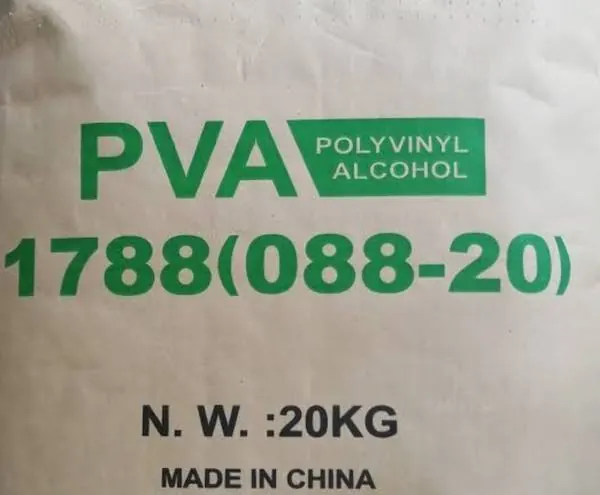
| 17-88 / 1788 | Commonly read as a degree of polymerisation of about 1,700 and about 88% hydrolysis. | PVA 17-88 / 088-20 |
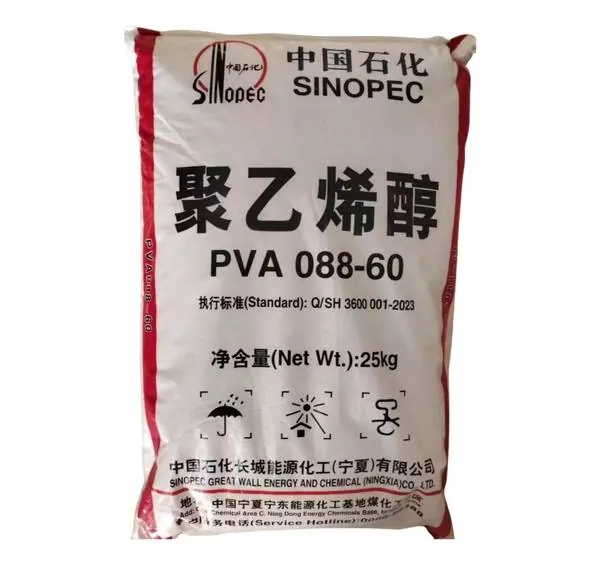
| 088-20 and 088-60 | Printed as grade names. The two numbers describe hydrolysis and viscosity; confirm the exact figures on the producer’s data sheet. | PVA 088-60, PVA 088-20 |
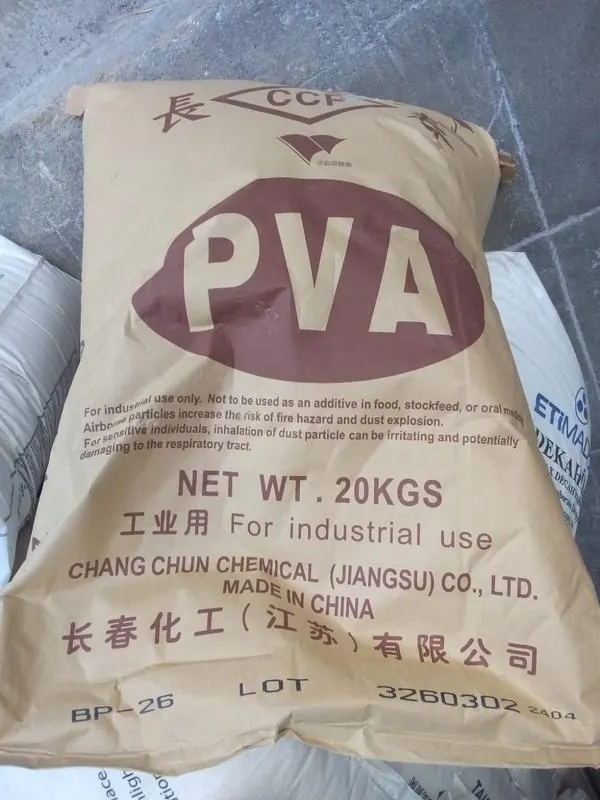
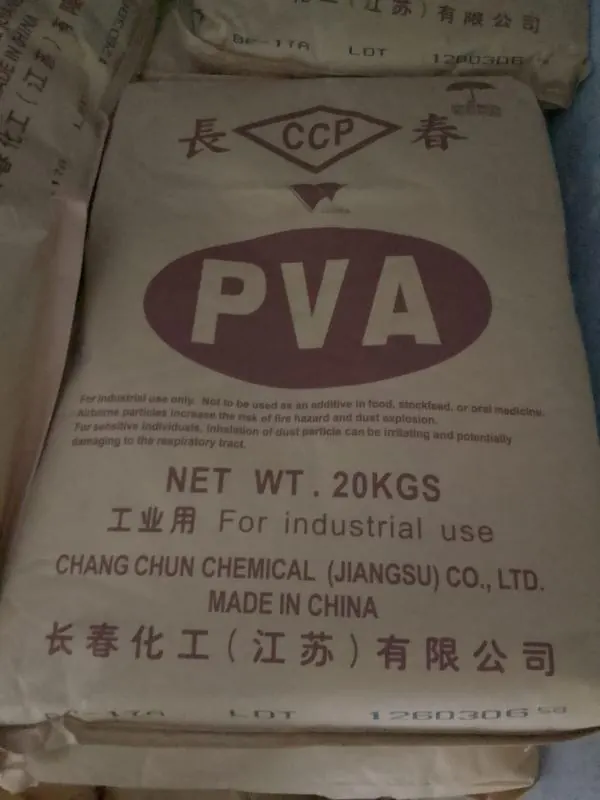
| BP-17A and BP-26 | Chang Chun grade names printed on the bag. The bag does not state viscosity or hydrolysis, so ask for the data sheet for your lot. | BP-17A, BP-26 |
Naming differs between producers. Treat this table as a guide and confirm figures on the data sheet for your lot.
How to compare two grades
- Start from the process: sizing, coating, adhesive or emulsion polymerisation.
- Ask for the data sheet for each grade and compare viscosity and hydrolysis at the solids you use.
- Keep the same brand and grade if a formulation was approved with it.
- Run a small trial before changing grade in production.
Handling PVA safely
The bags are marked for industrial use only. Fine PVA dust can form explosive mixtures with air and irritate the respiratory tract, so avoid dust clouds, keep ignition sources away, wear a dust mask and keep bags sealed and dry.
Need help choosing? Message our team on WhatsApp with your application and quantity.
Tell us what you are making and we will help you pick the right product.